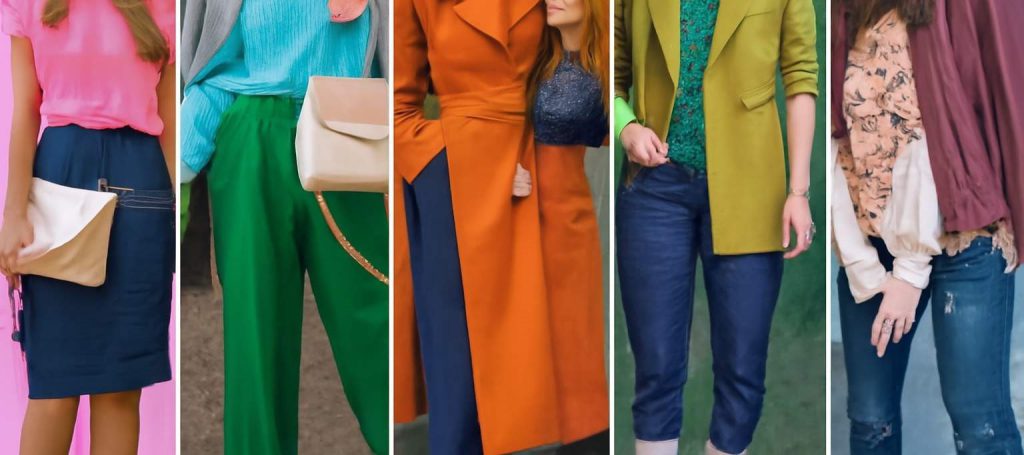

The fashion industry, long criticized for its environmental and social impact, is undergoing a profound transformation as the sustainable fashion movement gains momentum. This movement is not just a trend but a necessary shift towards a more ethical and eco-conscious approach to clothing production and consumption. As consumers become increasingly aware of the consequences of fast fashion, the demand for sustainable alternatives is reshaping the industry. This article delves into the key aspects of the sustainable fashion movement, exploring its origins, challenges, and the innovative solutions driving this change.
The Origins of the Sustainable Fashion Movement
The sustainable fashion movement emerged as a response to the environmental and social issues caused by the fast fashion industry. Fast fashion, characterized by cheap, mass-produced clothing, has led to excessive waste, pollution, and exploitation of labor. The Rana Plaza disaster in 2013, where a garment factory collapse in Bangladesh killed over 1,100 workers, was a wake-up call for the industry and consumers alike. This tragedy highlighted the human cost of fast fashion and sparked global conversations about ethical practices. Since then, activists, designers, and consumers have been advocating for a more sustainable approach to fashion, one that prioritizes the planet and people over profits.
The Environmental Impact of Fashion
The fashion industry is one of the most polluting industries in the world, contributing significantly to climate change, water pollution, and waste. The production of synthetic fabrics like polyester releases microplastics into the oceans, while the dyeing and finishing processes consume vast amounts of water and release toxic chemicals. Additionally, the industry generates millions of tons of textile waste annually, much of which ends up in landfills. The sustainable fashion movement seeks to address these issues by promoting eco-friendly materials, reducing waste, and adopting cleaner production methods. Brands are now exploring alternatives such as organic cotton, hemp, and recycled fabrics, as well as innovative solutions like waterless dyeing and closed-loop systems.
Ethical Labor Practices and Fair Trade
Sustainability in fashion is not just about the environment; it also encompasses social responsibility. Many workers in the fashion supply chain, particularly in developing countries, face poor working conditions, low wages, and exploitation. The sustainable fashion movement advocates for fair labor practices, ensuring that workers are paid living wages and work in safe environments. Fair trade certifications and transparent supply chains are becoming increasingly important as consumers demand accountability from brands. By supporting ethical fashion, consumers can help improve the lives of garment workers and promote social justice within the industry.
The Role of Consumers in Driving Change
Consumers play a crucial role in the sustainable fashion movement. As awareness grows, more people are making conscious choices about what they buy and wear. This includes opting for high-quality, timeless pieces over fast fashion, supporting brands with ethical practices, and embracing second-hand and rental fashion. The rise of social media has also empowered consumers to hold brands accountable, with campaigns like #WhoMadeMyClothes gaining traction. By voting with their wallets, consumers can drive demand for sustainable fashion and push the industry towards greater transparency and responsibility.
Innovations in Sustainable Fashion
The sustainable fashion movement is fueled by innovation, as designers and brands explore new ways to reduce their environmental footprint. One exciting development is the use of bio-fabricated materials, such as lab-grown leather and mushroom-based textiles, which offer sustainable alternatives to traditional fabrics. Another innovation is the adoption of circular fashion principles, which focus on designing clothes that can be easily repaired, reused, or recycled. Brands are also experimenting with zero-waste patterns and upcycling, turning old garments into new creations. These innovations not only reduce waste but also inspire creativity and redefine what fashion can be.
Challenges Facing the Sustainable Fashion Movement
Despite its progress, the sustainable fashion movement faces several challenges. One major obstacle is the higher cost of sustainable clothing, which can be a barrier for many consumers. Ethical production practices and eco-friendly materials often come with a higher price tag, making sustainable fashion less accessible to lower-income individuals. Additionally, greenwashing – where brands falsely claim to be sustainable – remains a significant issue, confusing consumers and undermining genuine efforts. To overcome these challenges, the industry must work towards making sustainable fashion more affordable and transparent, while governments and organizations can play a role in regulating and incentivizing ethical practices.
The Future of Sustainable Fashion
The future of sustainable fashion looks promising, as more brands, consumers, and policymakers embrace the movement. The industry is moving towards a more holistic approach to sustainability, considering the entire lifecycle of a garment – from design and production to consumption and disposal. Collaboration will be key, with brands, NGOs, and governments working together to create systemic change. Education and awareness will also play a vital role, as consumers learn to make more informed choices and demand greater accountability from the fashion industry. Ultimately, the sustainable fashion movement is not just about changing how we dress; it’s about reimagining the relationship between fashion, people, and the planet.