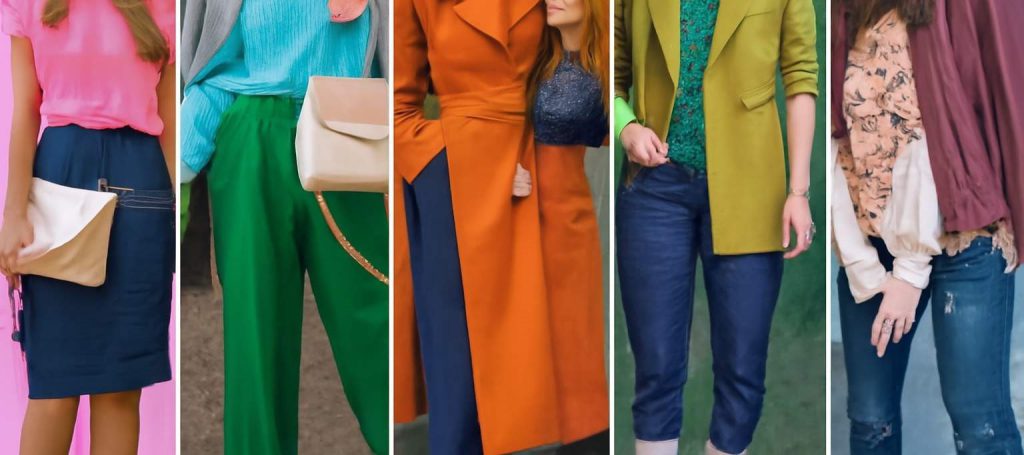

The global fashion industry is one of the largest and most dynamic industries in the world, playing a vital role in the economy, culture, and lifestyle of people. With a multi-billion dollar value, this industry encompasses a wide range of brands, from luxury to fast fashion.
In recent years, fashion has undergone significant transformations due to technological advancements, changing consumer patterns, and increased environmental awareness. Leading global brands are leveraging digital innovations, sustainable production methods, and new marketing strategies to keep up with these changes.
An Overview of the Global Fashion Industry
Fashion is one of the most influential economic and cultural sectors in the world, covering everything from fabric production and clothing design to marketing and sales. It not only impacts the global economy but also plays an essential role in lifestyle and social identity.
Evolution of the Fashion Industry
Fashion has been an integral part of human culture for centuries. With the Industrial Revolution in the 19th century, mass production of clothing became widespread, and modern brands began to emerge. In the 20th century, the rise of luxury brands, the expansion of fast fashion, and the integration of fashion into everyday life transformed the industry.
Market Value and Influential Countries
According to economic reports, the global fashion market has reached a value of over $1.7 trillion. Some of the leading countries in this industry are:
• Italy and France: Fashion capitals known for luxury brands like Chanel, Gucci, and Louis Vuitton.
• The United States: Home to major commercial brands such as Nike, Ralph Lauren, and Levi’s.
• China and India: Key production centers and growing fashion markets.
Role of Major Brands in the Fashion Industry
Leading global brands significantly influence trends, design innovations, and marketing methods. Some key groups in the industry include:
• Luxury brands: Louis Vuitton, Gucci, Prada.
• Sports brands: Nike, Adidas, Puma.
• Fast fashion brands: Zara, H&M, Uniqlo.
With technological advancements and changing consumer patterns, the fashion industry is moving toward digitalization and sustainable production. In the future, trends like sustainable fashion, AI in design, and digital shopping experiences will continue to transform the industry.
Key Trends in the Global Fashion Industry
Fashion is continuously influenced by technological advancements, cultural changes, and environmental concerns. Recent developments have not only transformed the design and production processes but also changed consumer expectations.
1. Sustainable and Responsible Fashion
With growing awareness of the environmental impact of fashion, more brands are moving toward the use of sustainable materials, waste reduction, and responsible production. Concepts like slow fashion and circular economy are emerging as alternatives to fast fashion.
2. Challenges of Fast Fashion and the Shift Toward Sustainable Fashion
Although fast fashion remains highly popular, criticisms about its negative impact on the environment and workers’ rights have increased. In contrast, sustainable fashion, focusing on quality production, longer garment life, and waste reduction, has gained significant traction.
3. Impact of Technology on Fashion
• Artificial Intelligence and Data Analytics: Brands are using AI to analyze customer behavior, optimize supply chains, and offer personalized recommendations.
• Augmented Reality and Virtual Reality (AR & VR): Some brands like Gucci and Nike are utilizing AR/VR to create digital shopping experiences and virtual clothing displays.
• Digital Fashion and NFTs: The rise of digital clothing and NFTs has created a new way of owning and showcasing fashion in the digital world.
4. Growth of E-commerce and Online Shopping
Online shopping is rapidly becoming the primary option for consumers. Fashion brands are expanding their online stores and adopting new models like direct-to-consumer (DTC) sales, digital marketplaces, and subscription services.
5. Power of Social Media and Influencer Marketing
Fashion influencers on platforms like Instagram, TikTok, and Pinterest play a key role in purchase decisions. Fashion brands are increasingly collaborating with influencers instead of using traditional advertising to promote their products in an interactive and natural way.
Major Challenges Facing the Global Fashion Industry
Despite significant growth and opportunities, the fashion industry faces key challenges that it must address to maintain its position in the competitive market.
1. Supply Chain and Production Challenges
• Rising Costs: High raw material, labor, and transportation costs are putting pressure on brands and affecting their profitability.
• Shortage of Raw Materials and Delivery Delays: Global crises like wars, pandemics, and climate change have caused disruptions in the supply chain.
• Lack of Transparency in Sourcing: Many brands face harsh criticism from consumers and human rights organizations due to a lack of oversight in sourcing raw materials.
2. Climate Change and Environmental Impacts
The fashion industry is one of the largest polluters globally, causing significant environmental problems:
• Excessive Water Consumption: Producing a typical cotton t-shirt uses over 2,700 liters of water.
• Plastic Pollution: Clothing made from synthetic fibers releases microplastics into the environment.
• Fashion Waste: Fast fashion contributes to increased clothing waste, much of which ends up in landfills.
3. Intense Competition and Pressure for Innovation
The rise of new brands, changing customer expectations, and rapidly shifting trends have made competition in the fashion industry more complex.
4. Changing Consumer Behavior
• Increased Demand for Sustainable Fashion: Consumers are paying more attention to sustainability.
• Shift Toward Online Shopping: Many traditional brands that relied on physical sales are now facing declining revenues.
The Future of the Global Fashion Industry
The future of the fashion industry will be shaped by technology, environmental awareness, and changes in consumer behavior. Brands will need to adapt to these transformations to survive and grow in the market.
1. The Role of Technology in the Future of Fashion
AI and personalized shopping, augmented and virtual reality, and digital fashion and NFTs will revolutionize the shopping and clothing experience.
2. The Future of Sustainable and Green Fashion
The use of recycled and organic materials, along with stricter regulations to reduce pollution, is expected to increase in the fashion industry.
3. Growth of New Buying and Selling Models
Online second-hand clothing markets, rental models, and direct-to-consumer sales will drive new trends in fashion commerce.
4. Changing Role of Fashion Brands
Instead of focusing solely on sales, brands will increasingly prioritize customer experience and transparency in production.