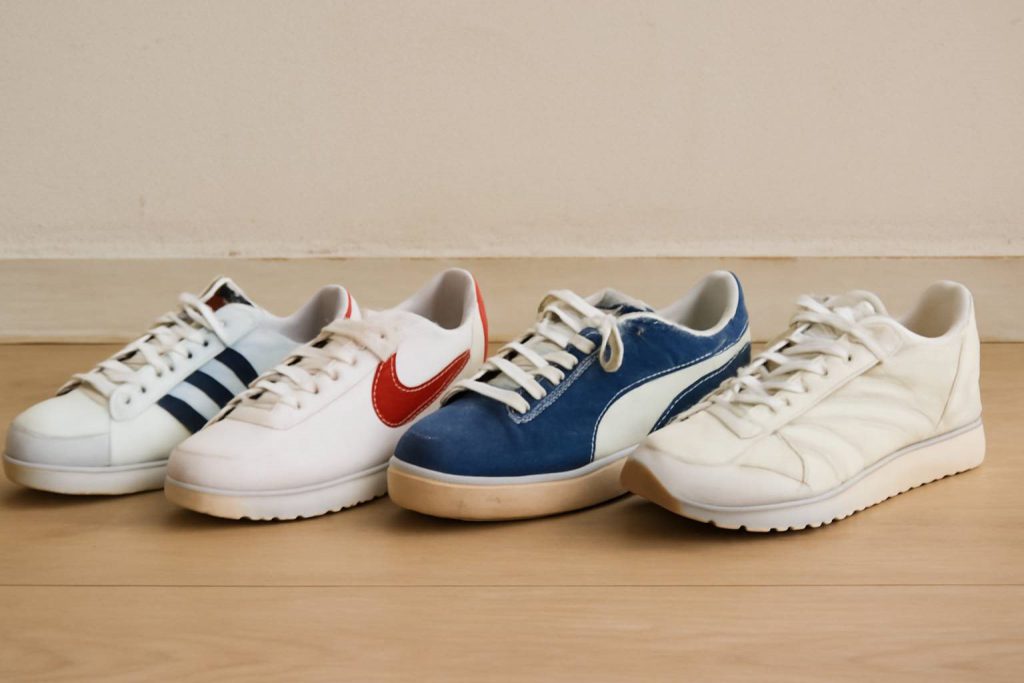

Branding is the lifeblood of the fashion industry. It is the art of creating a unique identity that resonates with consumers, sets a brand apart from competitors, and fosters emotional connections. In an industry driven by trends, aesthetics, and consumer perception, effective branding is not just a marketing tool—it is a strategic imperative. This article delves into the importance of branding in the fashion industry, its key elements, and how brands can build and sustain a powerful identity in a competitive marketplace.
The Importance of Branding in Fashion
In the fashion industry, branding goes beyond logos and taglines; it encompasses the entire essence of a brand. It is the story a brand tells, the values it embodies, and the emotions it evokes. A strong brand identity helps fashion labels differentiate themselves in a saturated market, where consumers are bombarded with countless options. It is the foundation of consumer loyalty, influencing purchasing decisions and fostering long-term relationships.
Branding also plays a crucial role in establishing credibility and prestige. Luxury fashion houses like Chanel, Gucci, and Louis Vuitton have built their reputations on decades of consistent branding, creating an aura of exclusivity and sophistication. For emerging brands, effective branding can level the playing field, allowing them to compete with established players by carving out a unique niche.
Moreover, branding is essential for creating an emotional connection with consumers. Fashion is deeply personal, often tied to self-expression and identity. A brand that understands its audience and reflects their aspirations, values, and lifestyle can cultivate a loyal following. This emotional bond not only drives sales but also turns customers into brand advocates.
Key Elements of Fashion Branding
Successful fashion branding is a multifaceted process that requires careful planning and execution. Here are the key elements that contribute to a strong brand identity:
1. Brand Story and Values: Every great fashion brand has a compelling story. Whether it’s a heritage brand with a rich history or a startup with a bold vision, the brand story communicates its purpose and mission. Values such as sustainability, inclusivity, or innovation further define the brand’s ethos and resonate with like-minded consumers.
2. Visual Identity: A brand’s visual identity is its most recognizable aspect. This includes the logo, color palette, typography, and overall design aesthetic. Consistency in visual elements across all touchpoints—from packaging to social media—creates a cohesive and memorable brand image.
3. Target Audience: Understanding the target audience is critical for effective branding. Fashion brands must identify their ideal customer’s demographics, preferences, and lifestyle to tailor their messaging and offerings. A brand that speaks directly to its audience is more likely to build a loyal customer base.
4. Brand Voice and Messaging: The way a brand communicates is just as important as what it communicates. A distinct brand voice—whether it’s playful, sophisticated, or edgy—helps convey personality and connect with consumers on a deeper level. Consistent messaging across all platforms reinforces the brand’s identity.
5. Customer Experience: In the fashion industry, branding extends to every interaction a customer has with the brand. From the quality of products to the in-store experience and customer service, every touchpoint shapes the brand perception. A seamless and enjoyable experience strengthens the brand’s reputation and fosters loyalty.
Strategies for Building a Strong Fashion Brand
Building a successful fashion brand requires a strategic approach that combines creativity, authenticity, and adaptability. Here are some strategies to consider:
1. Define Your Unique Selling Proposition (USP) : What sets your brand apart from others? Whether it’s innovative designs, sustainable practices, or exceptional craftsmanship, your USP should be at the core of your branding strategy. Highlighting what makes your brand unique helps attract the right audience.
2. Leverage Storytelling : Storytelling is a powerful tool for creating an emotional connection with consumers. Share the inspiration behind your collections, the journey of your brand, or the impact of your values. Authentic stories humanize the brand and make it relatable.
3. Embrace Digital Platforms : In today’s digital age, online presence is crucial for fashion branding. Social media, websites, and e-commerce platforms allow brands to reach a global audience and engage with consumers in real time. Platforms like Instagram and TikTok are particularly effective for showcasing visual content and building a community.
4. Collaborate and Innovate : Collaborations with other brands, influencers, or artists can amplify your brand’s reach and appeal. Limited-edition collections or co-branded campaigns create buzz and attract new audiences. Innovation, whether in design, technology, or sustainability, keeps the brand relevant and forward-thinking.
5. Prioritize Sustainability and Ethics: As consumers become more conscious of their impact on the planet, sustainability has become a key differentiator in fashion branding. Brands that prioritize ethical practices, transparency, and eco-friendly materials can build trust and appeal to socially responsible consumers.
Challenges in Fashion Branding
While branding offers immense opportunities, it also comes with challenges. The fast-paced nature of the fashion industry means brands must constantly evolve to stay relevant. Balancing tradition with innovation, maintaining consistency while adapting to trends, and managing brand perception in the age of social media are ongoing challenges.
Additionally, the rise of fast fashion has intensified competition, making it harder for smaller brands to stand out. Building a strong brand requires significant investment in marketing, design, and customer experience, which can be a hurdle for emerging labels.
The Future of Fashion Branding
The future of fashion branding lies in personalization, inclusivity, and technology. As consumers seek more tailored experiences, brands are leveraging data and AI to offer personalized recommendations and customized products. Inclusivity is also becoming a priority, with brands embracing diversity in their campaigns and product offerings.
Technology is reshaping the way brands interact with consumers. Virtual reality (VR), augmented reality (AR), and artificial intelligence (AI) are creating immersive and interactive experiences, from virtual fashion shows to AI-powered styling tools. These innovations not only enhance the customer experience but also reinforce the brand’s image as a leader in innovation.
Sustainability will continue to play a central role in fashion branding. As consumers demand greater accountability, brands must integrate sustainable practices into their core identity and communicate their efforts transparently.