The fashion industry is no stranger to innovation, and the rise of digital fashion platforms is one of the most transformative developments in recent years. These platforms are redefining how we discover, create, and engage with fashion, blending technology and style in unprecedented ways. From virtual try-ons to digital-only clothing, digital fashion platforms are breaking down barriers and opening up new possibilities for designers, brands, and consumers. This article explores the key aspects of digital fashion platforms, their impact on the industry, and what the future holds for this exciting frontier.
What Are Digital Fashion Platforms?
Digital fashion platforms are online spaces that leverage technology to enhance the fashion experience. They encompass a wide range of tools and services, including virtual fitting rooms, 3D design software, augmented reality (AR) shopping experiences, and even platforms for buying and selling digital-only clothing. These platforms bridge the gap between the physical and digital worlds, offering consumers new ways to interact with fashion while providing brands with innovative tools to showcase their creativity. Whether it’s trying on clothes virtually before purchasing or designing a digital outfit for an avatar, these platforms are changing the way we think about fashion.
The Rise of Virtual Try-Ons and Augmented Reality
One of the most popular features of digital fashion platforms is the virtual try-on experience. Using AR and AI technologies, these platforms allow users to see how clothing, accessories, or even makeup will look on them without ever stepping into a physical store. Brands like Gucci, Nike, and Sephora have integrated virtual try-ons into their apps and websites, enhancing the online shopping experience and reducing the likelihood of returns. This technology not only benefits consumers but also helps brands reduce waste and improve customer satisfaction. As AR technology continues to advance, virtual try-ons are expected to become even more realistic and widespread.
Digital-Only Fashion: A New Frontier
Digital fashion platforms have given rise to a new category of clothing: digital-only fashion. These are garments and accessories that exist solely in the digital realm, designed to be worn by avatars in virtual worlds or shared on social media. Platforms like The Fabricant, DressX, and RTFKT (acquired by Nike) are leading the charge in this space, offering consumers the opportunity to purchase and showcase digital outfits. Digital-only fashion appeals to a younger, tech-savvy audience who value self-expression in virtual spaces like video games, social media, and the metaverse. This trend is not only pushing the boundaries of creativity but also challenging traditional notions of what fashion can be.
Sustainability and Digital Fashion
One of the most compelling aspects of digital fashion platforms is their potential to promote sustainability. By enabling virtual try-ons and digital-only clothing, these platforms reduce the need for physical production, thereby minimizing waste and carbon emissions. Digital fashion also encourages consumers to experiment with styles and trends without the environmental impact of fast fashion. For example, instead of buying a new outfit for a social media post, users can purchase a digital garment that achieves the same effect. As sustainability becomes a growing concern, digital fashion platforms offer a promising solution for reducing the industry’s environmental footprint.
Empowering Designers and Creators
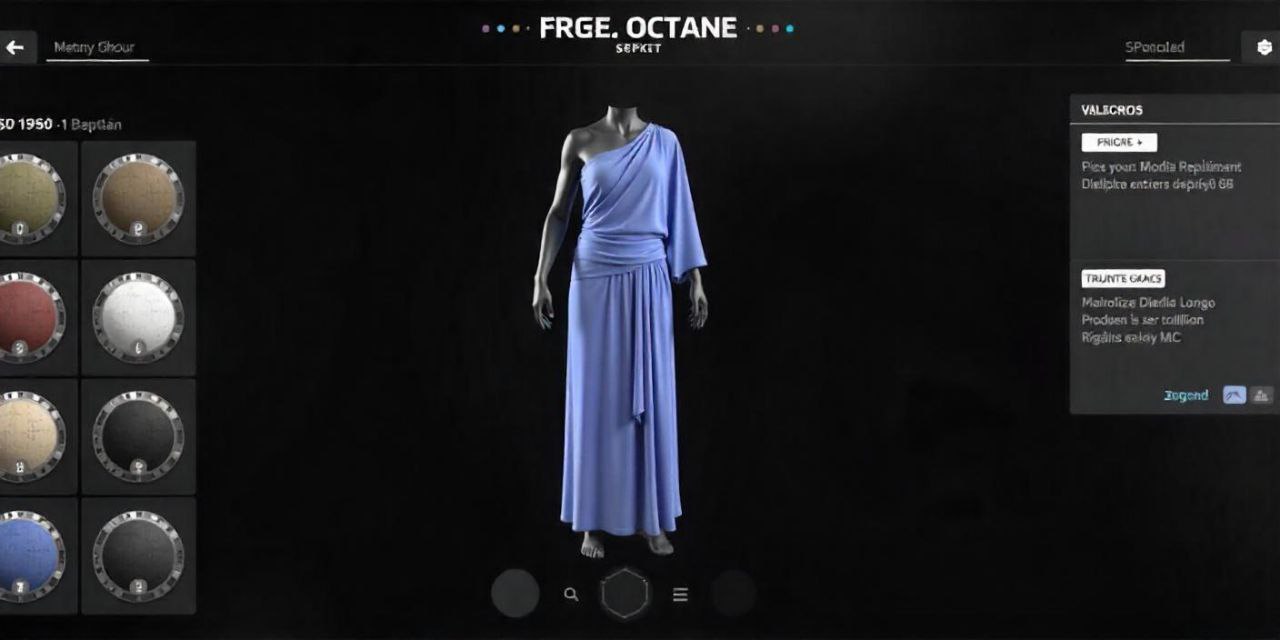
Digital fashion platforms are not just transforming the consumer experience; they are also empowering designers and creators. Tools like CLO3D and Browzwear allow designers to create 3D garments and visualize their designs in a virtual environment, streamlining the design process and reducing the need for physical prototypes. Additionally, platforms like Roblox and Decentraland enable independent designers to showcase and sell their creations to a global audience. This democratization of fashion design is breaking down traditional barriers to entry, allowing emerging talent to thrive in the digital space.
The Role of Social Media and Influencers
Social media has played a significant role in the rise of digital fashion platforms. Platforms like Instagram, TikTok, and Pinterest have become virtual runways, where users can showcase their style and discover new trends. Influencers and content creators are leveraging digital fashion to create unique, eye-catching content, often featuring digital-only outfits or AR filters. This trend is blurring the lines between physical and digital fashion, as consumers increasingly value their online personas and virtual identities. Brands are tapping into this phenomenon by collaborating with influencers to promote digital fashion collections and experiences.
Challenges and Limitations
Despite their potential, digital fashion platforms face several challenges. One major issue is accessibility, as not all consumers have the technology or knowledge to fully engage with these platforms. High-quality AR experiences and digital fashion require advanced devices and software, which can be costly and exclusionary. Additionally, there are concerns about the environmental impact of the technology itself, such as the energy consumption of blockchain-based platforms. Finally, the concept of digital-only fashion may be difficult for some consumers to grasp, as it challenges traditional notions of ownership and value. Overcoming these challenges will be crucial for the widespread adoption of digital fashion platforms.