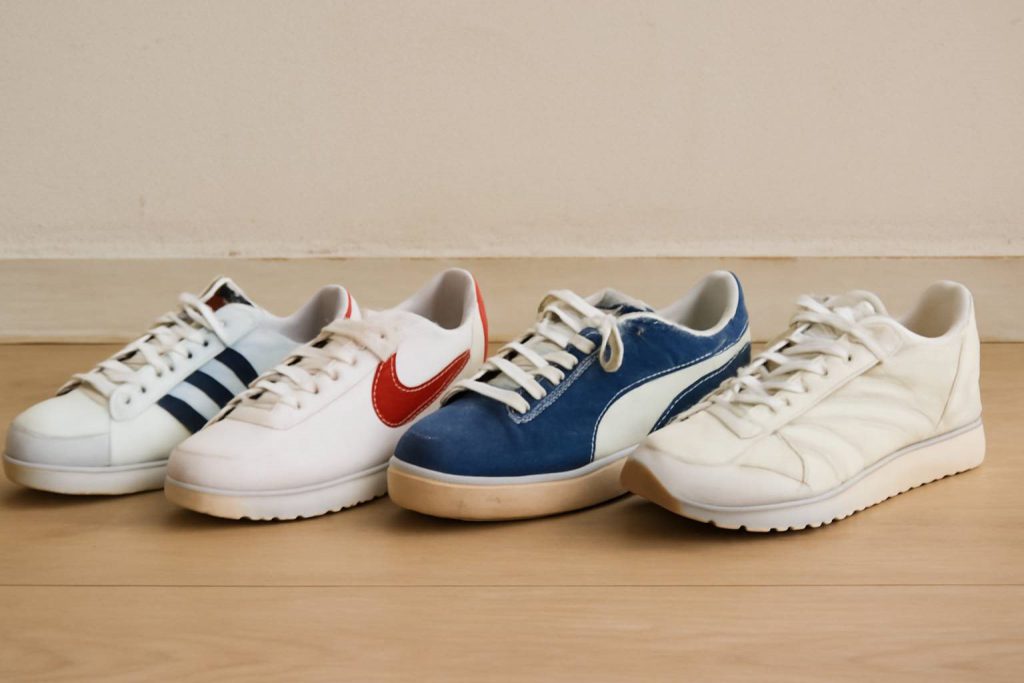

In today’s world, branding goes beyond logo design and color selection, evolving into a comprehensive process that creates a unique experience for customers. Successful brands in the fashion industry not only prioritize the quality of their products but also focus on building a distinctive identity and compelling story that attracts audiences.
One of the modern tools in this regard is fashion branding platforms, which play a crucial role in establishing communication between the brand and its customers. These platforms help brands foster deep, personal connections with audiences by leveraging digitalization, social media, and advanced technologies, creating unique experiences for them.
The emergence of these platforms is the result of significant changes in consumer behavior and the growing digital space. Brands that effectively utilize these opportunities will be able to increase customer loyalty, expand their markets, and strengthen their brand identity.
Fashion Branding Platforms: Concepts and Applications
Definition of Fashion Branding Platform
A fashion branding platform is a tool used by brands to build and manage their identity. These platforms offer a distinct brand image through content, customer interaction, and digital technologies. Unlike sales platforms, which focus on product distribution, branding platforms focus on creating emotional connections and customer loyalty.
Difference between Branding and Sales Platforms
Sales platforms like Shopify and Instagram Shopping are designed for product distribution, while branding platforms are used to enhance the brand’s identity and create a unique experience for customers.
Types of Fashion Branding Platforms
Fashion branding platforms can be divided into three categories:
1. Digital: Includes websites, apps, and spaces like the Metaverse (e.g., Gucci Vault, Nike SNKRS).
2. Physical: Includes stores and special events (e.g., Louis Vuitton Pop-up Stores).
3. Hybrid: A combination of digital and physical with AR experiences and multichannel campaigns (e.g., Burberry’s AR Shopping, Balenciaga x Fortnite).
Key Features of Fashion Branding Platforms
Fashion branding platforms serve as tools that go beyond marketing, helping create a brand identity and emotional connection with customers. These platforms create a unique experience for audiences by combining design, content, and technology. Key features of a successful fashion branding platform include:
1. Visual Identity and Brand Storytelling
Fashion branding platforms must create a strong visual identity and compelling story that differentiates the brand from competitors. This identity includes design, colors, typography, and photography style, all of which should establish an emotional connection with customers.
2. Audience Interaction
Fashion branding platforms engage with audiences through interactive campaigns, user-generated content, and both digital and physical events. The goal is to build a loyal community of customers.
3. Impact of Social Media and Influencer Marketing
Social media plays a vital role in enhancing brands. Successful brands use these platforms to create trends, collaborate with influencers, and increase product visibility.
4. Personalized Customer Experience
Fashion branding platforms must personalize the shopping experience using data, artificial intelligence (AI), and augmented reality (AR) for special offers and digital product trials.
5. Technology and Innovation
The use of modern technologies such as AI, AR, VR, and the Metaverse creates an exciting and engaging online shopping experience.
Benefits and Challenges of Fashion Branding Platforms
Benefits
1. Increased Brand Awareness: Digital strategies help brands gain more visibility.
2. Customer Interaction and Loyalty: Direct communication fosters loyalty.
3. Personalized Shopping Experience: Data-driven personalized recommendations.
4. Innovative Opportunities: Using technologies like AR and the Metaverse.
5. Reduced Dependence on Retailers: Direct connection with customers.
Challenges
1. High Costs: Requires significant investment.
2. Intense Competition: Differentiating from competitors through innovation.
3. Rapid Changes: Constant updates of strategies are needed.
4. Dependence on Algorithms: Reliance on social media algorithms.
5. Maintaining Brand Authenticity: Balancing innovation with brand identity.
Successful Examples of Fashion Branding Platforms
Fashion branding platforms have created unique experiences and deep connections with customers. Here are some successful examples:
1. Gucci Vault: Combines brand heritage with advanced technologies like NFTs and Web3 to attract a new generation of customers and offer a unique experience.
2. Nike SNKRS: The app enables direct interaction with customers, offering limited edition purchases and creating a community of sneaker enthusiasts.
3. Burberry: Uses AR and VR to create interactive digital experiences and engage with the digital generation.
4. Balenciaga x Fortnite: Entered the Metaverse by offering digital clothing and engaging with Generation Z in the gaming world.
5. Dior: Uses influencer marketing and social media to enhance brand awareness and create new trends in the fashion industry.
Future of Fashion Branding Platforms and Emerging Trends
The fashion industry is rapidly changing, and brands must keep up with new trends. Future trends in fashion branding include:
• Artificial Intelligence and Personalization: Creating personalized shopping experiences.
• AR and VR: These technologies make online shopping more interactive.
• Metaverse and NFTs: Offering unique digital products for sale.
• Social Commerce and Influencer Marketing: Brands use social media for direct sales and collaborations with influencers.
• Sustainability and Green Branding: Using sustainable materials and ensuring supply chain transparency.
• Data-Driven: Data analytics help brands optimize their strategies.
Fashion branding platforms play a crucial role in shaping brand identity and engaging with customers. Successful brands use modern technologies, digital strategies, and unique experiences to attract and retain customers. To succeed in the future, brands must leverage AI, the Metaverse, AR, sustainability, and customer data effectively:
• Fashion brands should use digital platforms and social media to create unique experiences.
• The use of AI and AR personalizes shopping experiences and increases engagement.
• Customer loyalty increases through membership programs, exclusive content, and direct interaction.
• Brands must prioritize sustainability and transparency in their supply chains.