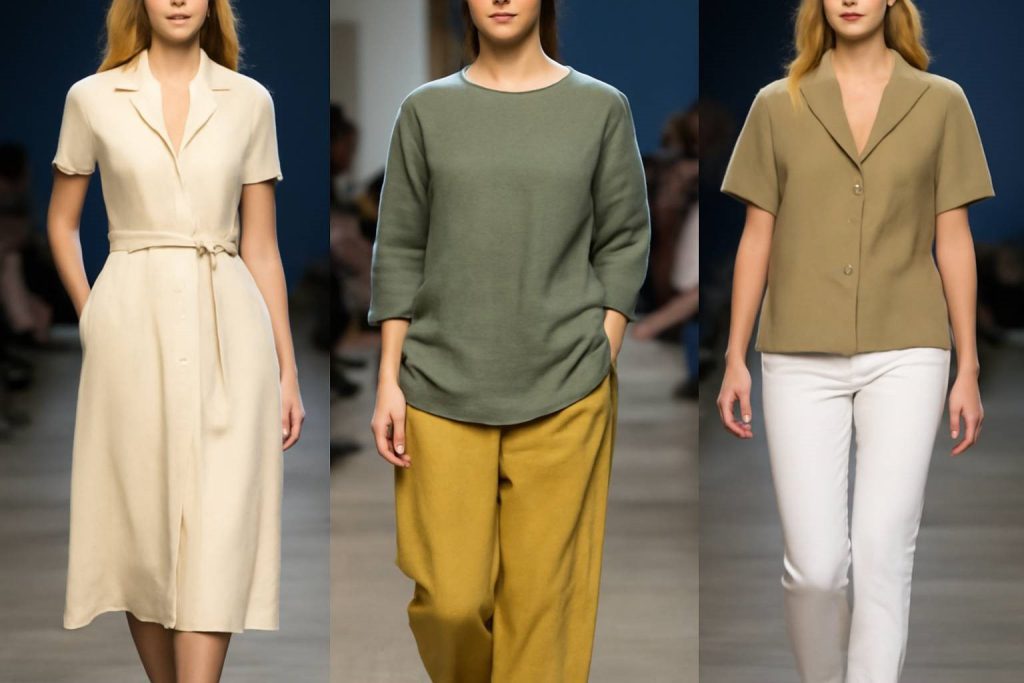

Designer showcases are the pinnacle of the fashion calendar, where creativity, craftsmanship, and innovation converge to create unforgettable experiences. These events, ranging from intimate presentations to grand runway shows, offer designers a platform to express their vision and set the tone for upcoming trends. From the opulence of Paris Haute Couture Week to the avant-garde displays at London Fashion Week, designer showcases are a celebration of artistry and storytelling. This article explores the significance of designer showcases, their evolution, and their impact on the fashion industry and beyond.
The Essence of Designer Showcases
Designer showcases are more than just fashion shows; they are immersive experiences that tell a story. Each showcase is a reflection of the designer’s creative vision, often inspired by art, culture, history, or personal narratives. From the choice of venue to the music, lighting, and choreography, every element is meticulously curated to create a cohesive and impactful presentation. These events allow designers to connect with their audience on a deeper level, offering a glimpse into their world and the inspiration behind their collections.
The Evolution of Designer Showcases
The concept of designer showcases has evolved significantly over the years. In the early 20th century, fashion shows were intimate affairs held in salons for a select audience. Today, they have transformed into global spectacles, streamed live to millions of viewers worldwide. The rise of digital technology has further revolutionized designer showcases, with virtual shows and augmented reality experiences becoming increasingly popular. Despite these changes, the core purpose remains the same: to showcase the designer’s artistry and vision.
Haute Couture Shows: The Epitome of Luxury
Haute couture showcases are the most exclusive and luxurious events in the fashion calendar. Held in Paris twice a year, these shows feature one-of-a-kind creations crafted with unparalleled skill and precision. Designers like Chanel Dior and Valentino use these showcases to push the boundaries of fashion, creating garments that are as much works of art as they are clothing. The opulence and attention to detail in haute couture showcases make them a symbol of luxury and exclusivity.
Ready-to-Wear Shows: Setting Trends for the Masses
Ready-to-wear (RTW) showcases are where designers present collections that are accessible to a broader audience. These shows, held during major fashion weeks in cities like New York, London, Milan, and Paris, set the trends for the upcoming seasons. Designers like Gucci , Prada , and Balenciaga use RTW showcases to experiment with new silhouettes, fabrics, and themes, influencing the fashion choices of millions. The accessibility and wearability of RTW collections make them a cornerstone of the fashion industry.
Emerging Designers: A Platform for New Talent
Designer showcases are not just for established names; they also provide a platform for emerging talent. Events like **London Fashion Week’s Fashion East** and **New York Fashion Week’s VFiles** are dedicated to showcasing the work of up-and-coming designers. These platforms offer young creatives the opportunity to gain exposure, connect with industry professionals, and establish their brand. For many, these showcases are the first step toward a successful career in fashion.
Sustainability in Designer Showcases
As the fashion industry grapples with its environmental impact, sustainability has become a key focus in designer showcases. Many designers are now incorporating eco-friendly practices into their shows, from using sustainable materials to reducing waste. Brands like **Stella McCartney** and **Marine Serre** are leading the charge, using their showcases to highlight the importance of sustainability in fashion. These efforts not only raise awareness but also inspire other designers and consumers to adopt more sustainable practices.
Cultural Influences in Designer Showcases
Designer showcases often draw inspiration from diverse cultures, celebrating the richness of global traditions. Designers like Dries Van Noten and Alessandro Michele for Gucci have used their showcases to explore themes of cultural fusion, blending elements from different parts of the world to create unique and innovative designs. These showcases not only celebrate cultural diversity but also promote cross-cultural understanding and appreciation.
The Impact of Designer Showcases on Pop Culture
Designer showcases have a significant impact on pop culture, influencing everything from music and film to social media trends. Iconic moments from fashion shows, like **Alexander McQueen’s** “Plato’s Atlantis” collection or Virgil Abloh’s debut for Louis Vuitton, have become cultural milestones. Celebrities and influencers often attend these showcases, amplifying their reach and impact. The fusion of fashion and pop culture in these events highlights the interconnectedness of creative industries.
How to Experience Designer Showcases
For fashion enthusiasts, attending a designer showcase can be a dream come true. While many shows are exclusive, there are ways to experience them, such as watching live streams, following social media updates, or attending public events like fashion week exhibitions. For those aspiring to work in the industry, internships and networking opportunities can provide behind-the-scenes access. Regardless of how you experience them, designer showcases offer a unique insight into the world of fashion.